
Dog Poop Like Jelly With Blood: What It Means
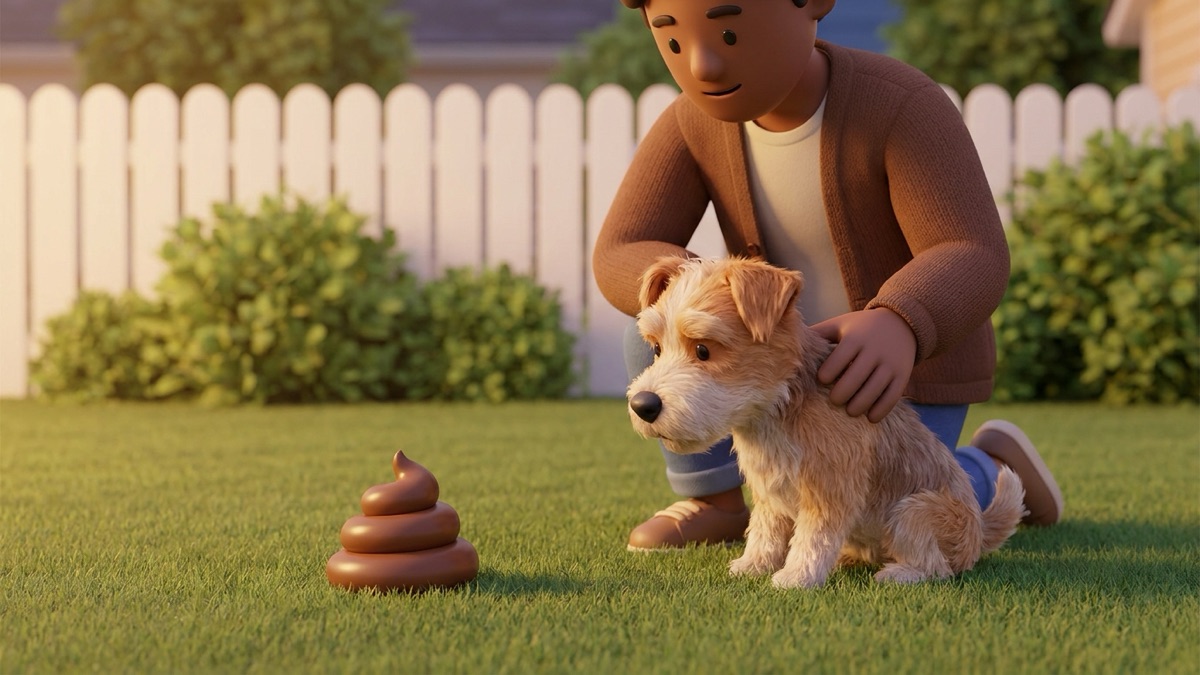
You bent down with the bag and it is not a normal poop. It is slimy and jelly-like, and there is red in it. Maybe a streak in clear slime, maybe a whole puddle that looks like jam. Those are two different situations, and the difference decides whether you call your vet today or drive to one now.
Quick answer
Dog poop like jelly with blood is either mucus with a little fresh blood from an irritated colon, or bloody diarrhea. Clear jelly with a red streak, in a bright dog, is a same-day vet call. Jelly that is red all through, like raspberry jam, often with vomiting, is an emergency: call a vet now.
Scout's read
Jelly-like diarrhea that is red, pink or purple all the way through, like raspberry jam, is an emergency, even in the middle of the night. Clear or whitish jelly with a small streak of red on otherwise formed poop, in a dog who is bright and eating, is Call your vet today.
Key takeaways
- "Jelly" is usually mucus, the slime the colon makes when it is irritated. Blood mixed into it comes from the lower gut.
- Clear or whitish jelly with a streak of bright red is the classic picture of colitis, which is inflammation of the colon. It is a same-day call.
- Jelly-like diarrhea that is red all through, like raspberry jam, often with vomiting, can mean acute hemorrhagic diarrhea syndrome. Dogs can go into shock quickly, so it is a now call.
- A puppy, or a dog who is not fully vaccinated, with bloody diarrhea is always Call a vet now, because of parvovirus.
- Take a photo, check the gums, keep water out, and do not give human medicines unless your vet says so.
What does dog poop like jelly with blood look like?
Owners use "jelly" for two different looks. Work out which one you have before anything else.
The first is mucus with blood. The jelly is clear, whitish or slightly yellow, like egg white or clear gel. It sits on the outside of the poop, hangs off one end, or comes out as a blob at the end. The blood is a streak or a few drops of bright red in or on that slime. The poop under it is formed or soft, and brown.
The second is bloody diarrhea. There is no real poop, only a loose, jelly-like puddle that is red, dark red, pink or purple all the way through. Vets describe it as looking like raspberry jam. There is often a lot of it, it often comes with vomiting, and the dog usually looks unwell.
| What you see | What it can mean | Verdict |
|---|---|---|
| Clear or whitish jelly with a red streak, on formed or soft brown poop | An irritated colon (colitis) from stress, a diet slip or parasites | Call your vet today |
| Small, frequent soft poops with mucus, red streaks and straining | Large bowel diarrhea: colitis, whipworms, Giardia, infection | Call your vet today, sooner if it gets worse |
| Jelly-like diarrhea that is red, pink or purple all through, often with vomiting | Acute hemorrhagic diarrhea syndrome; parvovirus in young or unvaccinated dogs | Call a vet now |
| Mostly blood, or a pool of red | Serious bleeding, a clotting problem, poison | Call a vet now |
| Black, sticky, tar-like poop | Digested blood from the stomach or small intestine | Call a vet now |
If you cannot tell which one it is, treat it as the worse one. A phone call to a vet costs you a few minutes.

Why is my dog pooping blood and mucus?
The lining of the colon makes mucus all the time to help poop slide along. When that lining is inflamed, it makes far more, and the inflamed surface bleeds a little. The result is the combination so many owners describe: slime and bright red blood together.
Vets call this pattern large bowel diarrhea, and the usual cause is colitis. The signs go together:
- Small amounts of soft or liquid poop, passed often.
- Urgency, and straining during and after.
- Mucus on or in the poop.
- Small amounts of bright red blood, often near the end.
Stress is one of the leading causes: boarding, a move, a new pet, fireworks. A diet slip or a sudden food change is another. Most dogs with stress colitis are back to normal within a few days, vomiting is uncommon, and many dogs seem well apart from the poop. That is why a dog pooping blood and mucus but acting normal is so common.
It is still Call your vet today, for one reason: you cannot tell stress colitis from parasites or infection by looking. Whipworms live in the large intestine and cause diarrhea streaked with mucus and fresh blood, and you will not see the worms. Giardia is microscopic. Both need a fecal test, and whipworm eggs are shed on and off, so the test may need repeating. Our guides to mucus in dog poop and colitis in dogs go deeper on this pattern.
Raspberry jam poop: acute hemorrhagic diarrhea syndrome
Acute hemorrhagic diarrhea syndrome, or AHDS, is the condition vets used to call hemorrhagic gastroenteritis (HGE). It is sudden vomiting and bloody diarrhea in a dog who was healthy the day before. Most cases come without warning.
What vets say about it:
- What it looks like. A lot of bloody, jelly-like diarrhea, often compared to raspberry jam. Vomiting may start first, before any blood appears.
- Which dogs. Any dog can get it, but it is most common in small and toy breeds.
- Why it happens. The exact cause is not known. Vets suspect a gut bacterium whose toxins damage the lining of the intestine, so fluid and blood leak into the gut.
- Why it is urgent. The fluid loss is fast. A dog can go into shock before they even look dehydrated.
The good news is that the outlook is good with prompt care. The main treatment is fluids given into a vein at the clinic, and with that support the illness usually runs its course in a few days. Left untreated, it can be fatal. This is not one to watch at home until morning.
Heads up
Do not try a bland diet, fasting or a human stomach medicine first when the diarrhea looks like raspberry jam. The danger is fluid loss, and only a vet can replace fluid fast enough. Call a vet or emergency clinic now.
Other causes of heavy bloody diarrhea are covered in bloody diarrhea in dogs, and the full picture of red versus black blood is in our main guide to a dog pooping blood.
Dog diarrhea with mucus but no blood
A dog with diarrhea and mucus, and no red in it, has the same irritated colon without the bleeding. It is the milder end of the same pattern, and the diarrhea rules decide what to do.
A single mucus-coated loose poop in a bright adult dog who is eating often settles within a day. Keep an eye on it for 24 to 48 hours, keep water out, and keep the food the same. It becomes Call your vet today if the diarrhea lasts more than 2 days, if the mucus keeps showing up, or if it comes with a poor appetite, a vomit or two, or low energy. Any diarrhea in a puppy is a same-day call, even a bright one.
If blood joins the mucus, move up a step. A streak is today. Jam is now.
Puppies and unvaccinated dogs
Parvovirus causes vomiting and severe diarrhea that is often bloody, with low energy and no interest in food. It hits puppies between about 6 weeks and 6 months hardest, and any dog who is not fully vaccinated. Early treatment makes a real difference.
So the rule is simple. A puppy with bloody or jelly-like diarrhea, or a dog of any age who is not fully vaccinated with vomiting and diarrhea, is Call a vet now. Tell the clinic about the vaccine status when you call. Our guide to a puppy pooping blood covers this in detail.
Heads up
If there is any chance your dog ate rat or mouse bait or another poison, call your vet or ASPCA Animal Poison Control at (888) 426-4435 (a fee may apply), even if they seem fine. Some baits stop blood from clotting, and signs can take days to show.
What to do right now
- Look closely. Clear jelly with a red streak, or red all the way through? Formed poop under it, or none?
- Take a clear photo before you clean up. Blood dries dark quickly.
- Check the gums. Lift the upper lip: light rosy pink and moist is normal. Pale, white or gray gums mean go now.
- Note the time, how many times your dog has gone, and whether there has been any vomiting.
- If it looks like raspberry jam, or your dog is vomiting, weak, or a puppy, stop here and call a vet or emergency clinic.
- Otherwise, bag a fresh sample in a clean sealed bag or pot, and keep it in the fridge away from food for up to 24 hours.
- Keep fresh water available. Do not fast your dog or start a bland diet unless your vet says so.
- Do not give human medicines. Some can make gut bleeding worse or are harmful to dogs.
- Call your vet today and describe exactly what you saw.
Try it
Not sure whether this is a today or a now? The should I call the vet checker asks the same questions a vet asks on the phone and gives you one of the four verdicts.
When to call the vet
Jelly with blood always ends in a call. The only question is how fast.
Call a vet now (an emergency clinic if your vet is closed)
- Raspberry-jam diarrhea: bloody and jelly-like, often with vomiting.
- A lot of fresh blood, or diarrhea that is mostly blood.
- Black, sticky, tar-like poop.
- Blood in the poop with vomiting, weakness or low energy.
- A puppy with diarrhea plus vomiting, low energy, or no interest in food.
- A dog who is not fully vaccinated, at any age, with vomiting and diarrhea.
- Pale or white gums.
- Collapse, severe weakness, or not able to stand.
- Any chance your dog ate rat or mouse bait or another poison, even if they seem fine.
Call your vet today
- A small streak of fresh blood, or mucus with straining, in a dog who is otherwise well.
- Blood and mucus that have shown up more than once, even in small amounts.
- Diarrhea with mucus lasting more than 2 days, or with a poor appetite or a vomit or two in an adult dog who is still alert.
- Any diarrhea or mucus in a puppy, even a bright and playful one.
- Several stool changes in 24 hours, or mucus and blood that keep coming back over weeks.
Good to know
A photo and a description cannot show everything. Whipworm eggs, Giardia and other causes of bloody mucus are invisible, so expect your vet to ask for a fresh sample.
For everything on red, black and jelly-like poop in dogs and cats, the blood in poop hub collects our guides in one place. The PoopScout app reads a photo for score, color and findings and gives you one of the same four verdicts you have read here.
Clear jelly with a streak of red in a happy dog is a phone call and a sample. Jelly that is red all the way through is a drive, tonight if it has to be. You already did the most useful thing by looking closely before you bagged it.
PoopScout guides are general information for pet owners, written from veterinary sources named above. They are not veterinary advice, they do not diagnose, and they can be wrong for your pet. If your dog or cat seems unwell, or you are worried, call your vet. In an emergency, contact your vet or the nearest emergency animal hospital right away.
Questions owners ask
Why is my dog's poop like jelly with blood?
There are two main reasons. Clear or whitish jelly with a streak of red is mucus and a little fresh blood from an irritated colon. Jelly-like diarrhea that is red all the way through, like raspberry jam, is bloody diarrhea and can mean acute hemorrhagic diarrhea syndrome or, in young dogs, parvovirus. The second kind needs a vet now.
Is jelly-like bloody dog poop an emergency?
Raspberry-jam diarrhea is an emergency, because dogs can lose fluid fast enough to go into shock. Call a vet or emergency clinic now, even at night. A small streak of blood with clear mucus on formed poop, in a dog who is bright and eating, is a same-day call to your vet.
Why is my dog pooping blood and mucus but acting normal?
Most often it is colitis, which is inflammation of the colon, set off by stress, a diet slip or parasites. Dogs with colitis often seem well apart from the poop. It still deserves a call to your vet today, because parasites such as whipworms and Giardia only show up on a fecal test.
What does it mean when a dog has diarrhea with mucus?
Diarrhea with mucus points to the large intestine. Stress, a sudden food change, parasites and infections are the usual causes. Keep an eye on a single mild episode in a bright adult dog, and call your vet if it lasts more than 2 days or comes with blood, vomiting, a poor appetite or low energy.
Can stress cause bloody mucus in dog poop?
Yes. Vets list stress as one of the leading causes of large bowel diarrhea in dogs, and mucus with a little bright red blood is its classic sign. Most dogs with stress colitis are back to normal within a few days, but the blood still earns a call to your vet.
Sources
- VCA Animal Hospitals: Acute Hemorrhagic Diarrhea Syndrome in Dogs: vcahospitals.com/know-your-pet/hemorrhagic-gastroenteritis-in-dogs
- Merck Veterinary Manual (Professional): Acute Hemorrhagic Diarrhea Syndrome in Dogs: www.merckvetmanual.com/digestive-system/diseases-of-the-stomach-and-intestines-i
- VCA Animal Hospitals: Colitis in Dogs: vcahospitals.com/know-your-pet/colitis-in-dogs
- Merck Veterinary Manual (Professional): Colitis in Small Animals: www.merckvetmanual.com/digestive-system/diseases-of-the-stomach-and-intestines-i
- Companion Animal Parasite Council: Trichuris vulpis (Whipworm): capcvet.org/guidelines/trichuris-vulpis/
- VCA Animal Hospitals: Giardia in Dogs: vcahospitals.com/know-your-pet/giardia-in-dogs
- Cornell Riney Canine Health Center: Parvovirus, transmission to treatment: www.vet.cornell.edu/departments-centers-and-institutes/riney-canine-health-cente
- Merck Veterinary Manual (Professional): Canine Parvovirus: www.merckvetmanual.com/digestive-system/diseases-of-the-stomach-and-intestines-i
- American Kennel Club: Blood in Dog Poop (vet reviewed): www.akc.org/expert-advice/health/blood-in-dog-poop/
- VCA Animal Hospitals: Diarrhea in Dogs: vcahospitals.com/know-your-pet/diarrhea-in-dogs
- VCA Animal Hospitals: Anticoagulant Rodenticide Poisoning in Dogs: vcahospitals.com/know-your-pet/rodenticide-warfarin-poisoning-in-dogs
- ASPCA Animal Poison Control Center: www.aspca.org/pet-care/animal-poison-control
- VCA Animal Hospitals: Testing for Pallor: vcahospitals.com/know-your-pet/testing-for-pallor
- VCA Animal Hospitals: Importance of Fecal Tests in Dogs and Cats: vcahospitals.com/resources/preventive/fecal-tests-for-dogs-and-cats
- Vets Now: Dog Poop Color Chart: static-az.vets-now.com/uploads/2025/07/Dog-Poop-Color-Infographic.pdf
Read next
Blood in poop
Why Is My Dog Pooping Blood?
Blood in poop
Blood in Cat Poop: What It Means and When to Worry
Frequency & what is normal
How Often Do Cats Poop? Normal, Too Much, Too Little
Eating, rolling, burying
Why Do Dogs Eat Poop? (And How to Stop It)
Dog poop colors
Yellow Dog Poop: What It Means and What to Do
Dog poop colors
Orange Dog Poop: Causes and What to Do