
Why Is My Dog Pooping Blood?
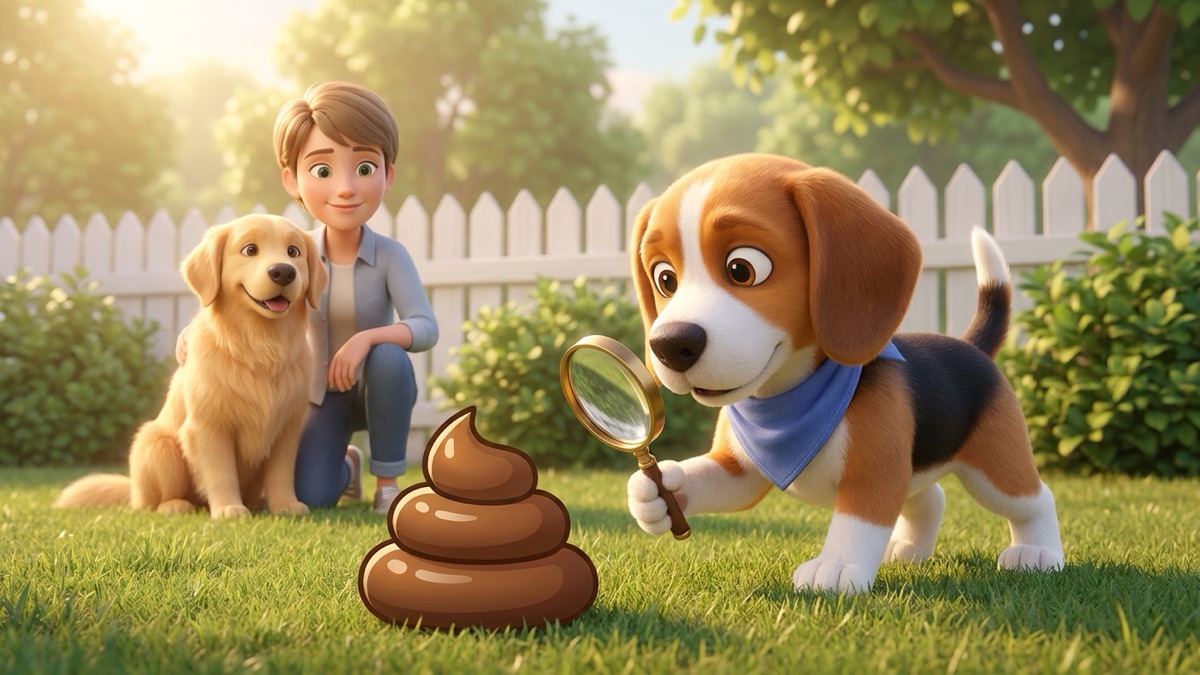
You just picked up after your dog and there is red in it. Or the poop itself came out dark, sticky and wrong. Your dog may be wagging and asking for breakfast, or lying flat and off their food. Either way, the first thing to do is take a breath and look closely, because the color of the blood tells you how fast to move.
Quick answer
Blood in dog poop is common. Causes range from an irritated colon or a diet slip to parasites, anal gland trouble, poisons and viruses. Bright red streaks in a dog who seems well are a same-day call to your vet. A lot of blood, jelly-like bloody diarrhea, black tarry poop, or blood with vomiting means call a vet now.
Scout's read
A small streak of fresh red blood in a dog who is bright and eating is a same-day call, not a wait-and-see. A lot of blood, raspberry-jam diarrhea, black and tarry poop, or blood with vomiting, weakness or pale gums is Call a vet now.
Key takeaways
- Bright red blood usually comes from the lower gut (colon, rectum) or the area around the bottom. Black, tarry poop usually means digested blood from higher up, and it is the one not to wait on.
- Common causes of a small streak include an irritated colon (colitis), straining, a sudden food change, parasites such as whipworms, and anal gland problems.
- A dog pooping blood but acting normal still needs a call to your vet today. A dog pooping blood and vomiting needs a vet now.
- Puppies, unvaccinated dogs, pale gums, and any chance of rat or mouse bait are automatic "now" calls.
- Take a photo, bag a fresh sample, check the gums, and keep water out. Do not give human medicines unless your vet says so.
Why is my dog pooping blood?
Blood shows up in poop when something in the gut, or right around the bottom, is bleeding. Where the bleeding happens changes what you see on the ground, and vets split it into two kinds you can tell apart with your eyes.
Fresh blood is called hematochezia. It is bright red, because it has not been digested, and it comes from the lower part of the gut: the colon, the rectum or the anus. Digested blood is called melena. It is black, sticky and tar-like, because the blood has travelled through the stomach and small intestine and been broken down on the way. That second kind is the one vets treat as urgent, because the bleeding is deeper inside and can be heavier than it looks.
So the first question is "what color is it", and the second is "how is my dog acting". Those two answers cover most of what your vet will ask on the phone.
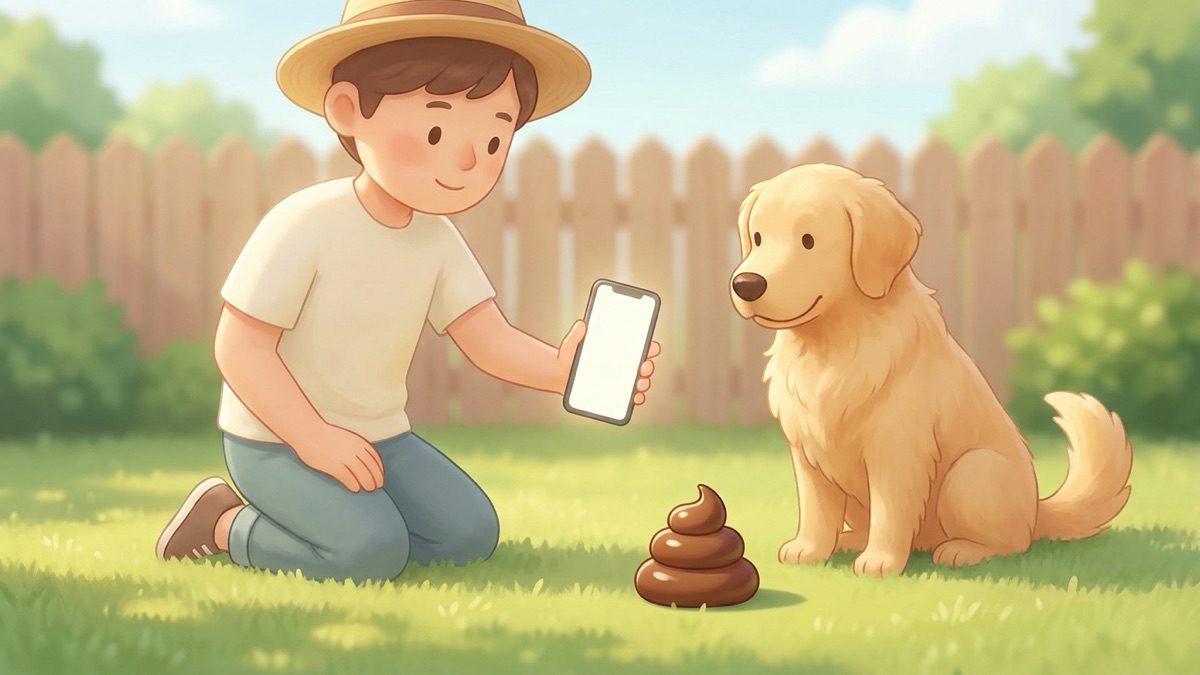
What blood in dog poop looks like, and what each kind can mean
Use this table as a first read. It follows the same rules as our dog poop color chart.
| What you see | Where it usually comes from | What it can mean | Verdict |
|---|---|---|---|
| A thin red streak or a few drops on formed or soft poop | Colon, rectum or around the bottom | Irritated colon, straining, a diet slip, parasites, anal gland trouble | Call your vet today |
| Red coating or red mixed through soft poop, more than once | Colon | Colitis, infection, parasites such as whipworms | Call your vet today, sooner if it worsens |
| Jelly-like diarrhea the color of raspberry jam, often with vomiting | Gut lining | Acute hemorrhagic diarrhea syndrome (HGE), parvo in young dogs | Call a vet now |
| Mostly blood, or a large pool of red | Anywhere in the lower gut | Serious bleeding, a clotting problem, poisoning | Call a vet now |
| Black, sticky, tar-like poop | Stomach or small intestine | Ulcers, swallowed objects, rat bait, hookworms in puppies, some medicines | Call a vet now |
A note on "dark" poop: dark brown is still brown and usually normal. Black and tarry is different: it smears black and sticky on a white paper towel and often smells unusually bad. Our guide to black dog poop goes into the detail.
The common causes of bleeding poop in dogs
Most of the time, a small amount of bright red blood comes from one of a handful of everyday causes. Here are the ones vets see most.
An irritated colon (colitis)
Colitis just means inflammation of the colon. The classic picture is a dog who needs to go often, passes small amounts of soft or liquid poop, strains, and finishes with a little mucus and a few streaks of bright red blood. Stress is one of the leading triggers (a move, a kennel stay, fireworks), along with a sudden food change, table scraps or a raid on the trash. Most dogs with stress colitis are back to normal within a few days, but your vet still wants to know, because parasites and infections look exactly the same. We have a full guide to colitis in dogs.
Straining and hard poop
A dog who is constipated or has passed something hard, like bone fragments, can tear the lining of the rectum a little on the way out. That shows up as a streak of red on the outside of a firm poop. It is worth a call today, and worth remembering what your dog chewed in the last couple of days.
Parasites
Whipworms live in the large intestine and are a classic cause of diarrhea streaked with mucus and fresh blood. You will not see the worms themselves, and they shed eggs on and off, so a vet's fecal test may need repeating. Hookworms feed on blood and are a big deal in puppies, where they can cause dark, tarry poop and dangerous anemia. If you have not done a fecal test recently, that is the first thing your vet will suggest.
Anal gland problems
Dogs have two small scent sacs just inside the bottom. When they get blocked or infected, you may see scooting, licking under the tail, a swelling beside the anus, and blood or pus on the outside of the poop. If the sac ruptures, there can be a sudden smear of blood that has nothing to do with the gut at all. It needs a vet today, but it is not usually an emergency.
Acute hemorrhagic diarrhea syndrome (HGE)
A dog who was fine the day before suddenly produces large amounts of jelly-like bloody diarrhea, usually with vomiting. Dogs with HGE lose fluid fast and can go into shock. It needs a vet now, not in the morning. Our guide to dog poop like jelly with blood covers what to do.
Parvovirus
Parvo hits puppies between about 6 weeks and 6 months, and any dog who is not fully vaccinated. It causes vomiting, severe diarrhea that is often bloody and foul, low energy and no interest in food. It is deadly without early treatment. A puppy pooping blood is always Call a vet now. We have a dedicated guide to puppy pooping blood.
Poisons and medicines
Rat and mouse baits stop blood from clotting. Signs are delayed by days, so by the time you see bloody or black tarry poop or pale gums, the poison has been at work for a while. Some anti-inflammatory medicines, including human ones, can cause stomach ulcers that bleed, which is one reason never to give a dog a human painkiller unless your vet says so.
Heads up
If there is any chance your dog ate rat or mouse bait or another poison, call your vet or ASPCA Animal Poison Control at (888) 426-4435 (a fee may apply), even if they seem fine. Do not wait for signs.
Other causes your vet will rule out
Swallowed objects, stomach ulcers, inflammatory bowel disease, clotting disorders, kidney and liver disease, and tumors can all cause blood in the poop. They are less common, and they are exactly why "a little blood" that keeps coming back deserves a proper work-up rather than another week of watching.
Dog pooping blood but acting normal
This is the search most people type at 11pm, and the honest answer is: it is usually one of the mild causes above, and it still needs a call to your vet today.
A dog who is bright, eating and playing, with one streak of bright red blood on otherwise normal or slightly soft poop, is most often dealing with an irritated colon, straining, or a diet slip. That is reassuring. But a dog can look completely fine on the first day of parasites, an anal gland infection, or a swallowed object. "Acting normal" buys you a same-day call instead of a midnight drive. It does not buy you a week.
Note the time, photograph the poop, bag a sample, and watch the next poop. If it is clean and your dog stays bright, your vet may be happy with a fecal test and a watch. If the blood repeats, or anything else changes, move faster.
Tip
Take the photo before you bag it. Blood dries dark within an hour or two, and a photo taken fresh tells your vet far more than a description over the phone.
Dog pooping blood and vomiting
Blood in the poop plus vomiting changes the picture. On their own, each can be a minor upset. Together they point at the whole gut being involved, the pattern vets see with HGE, parvo, swallowed objects, poisoning and serious infections. It is also the fastest way for a dog to dehydrate.
Treat this as Call a vet now, especially if the diarrhea is jelly-like or mostly blood, your dog is a puppy or not fully vaccinated, your dog cannot keep water down, or they seem weak or flat. Do not try a bland diet, fasting or a human stomach medicine first.
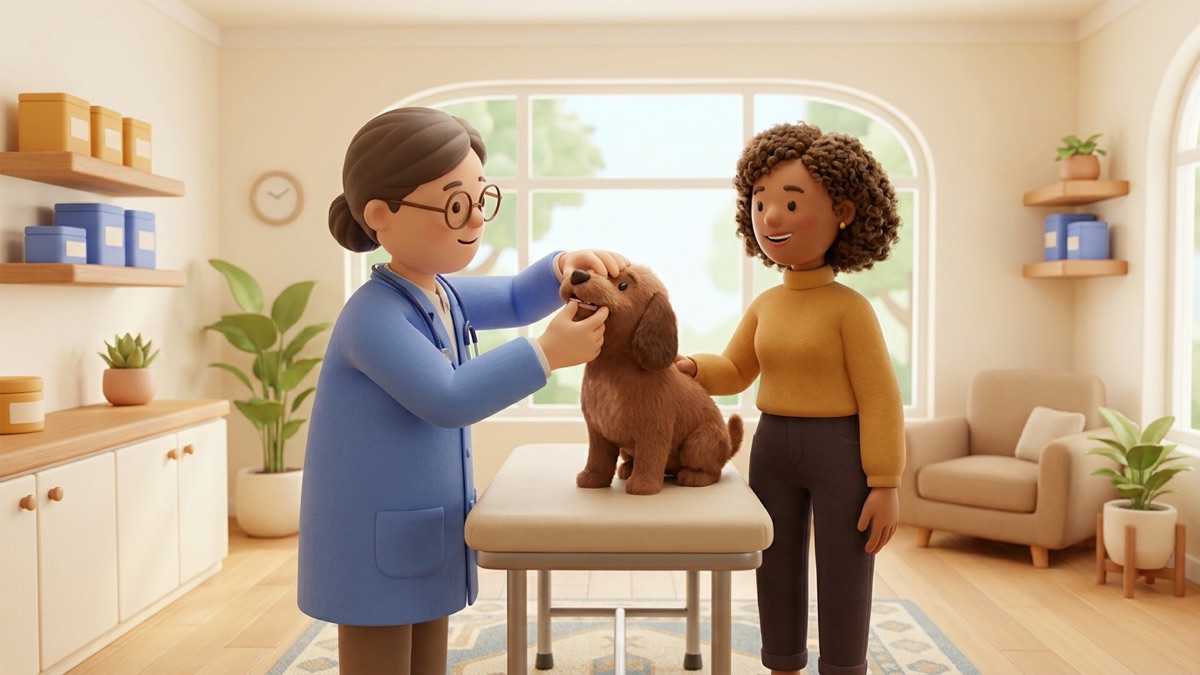
How to check your dog's gums
This is the most useful home check when there is blood in the poop, and it takes five seconds. Lift your dog's upper lip and look at the gum above the teeth. Healthy gums are a light rosy pink and moist. Pale, white or gray gums can mean blood loss or shock, and that is an emergency no matter how the poop looked. If your dog has dark pigmented gums, look at the inside of the lip instead. Check now, and again in a few hours if you are watching at home.
What to do today
- Look at the color. Bright red or black and tarry? Streak or pool? Formed, soft or jelly-like?
- Take a clear photo in daylight before it dries or gets cleaned up.
- Bag a fresh sample in a clean container or a sealed bag. Keep it in the fridge, away from food, if you cannot drop it off within a few hours. Our guide to the dog fecal test walks through it.
- Check the gums (see above). Pale or white gums mean go now.
- Write down when it started, how many times your dog has gone, any vomiting, and anything new: a food change, a bone, something chewed, a possible poison.
- Keep fresh water available. Do not fast your dog or start a bland diet unless your vet says so.
- Do not give human medicines. Some common painkillers and stomach remedies can make gut bleeding worse or are toxic to dogs.
- Call your vet and describe exactly what you saw: the color and the gum check are what they need to decide how fast to see you.
Try it
Not sure whether this is a "today" or a "now"? Our should I call the vet checker walks through the same questions a vet asks on the phone and gives you one of the four verdicts.
When to call the vet
Blood in the poop always ends in a call. The only question is how fast.
Call a vet now (an emergency clinic if your vet is closed):
- Black, sticky, tar-like poop.
- A lot of fresh blood, or diarrhea that is mostly blood.
- Raspberry-jam diarrhea: bloody and jelly-like, often with vomiting.
- A puppy with diarrhea plus vomiting, low energy, or no interest in food.
- A dog who is not fully vaccinated, at any age, with vomiting and diarrhea.
- Any chance your dog ate rat or mouse bait or another poison, even if they seem fine.
- Pale or white gums.
- Collapse, severe weakness, or not able to stand.
- Repeated vomiting with belly pain, or a swollen, tight belly with retching that brings nothing up.
Call your vet today:
- A small streak of fresh blood, or mucus with straining, in a dog who is otherwise well.
- Blood that has shown up more than once, even in small amounts.
- Diarrhea with blood lasting more than a day, or any diarrhea lasting more than 2 days.
- Blood with a poor appetite or a vomit or two, in an adult dog who is still alert.
- Scooting, licking under the tail, or a swelling beside the anus along with the blood.
- Your dog swallowed something it should not have, like a bone or a toy, but seems fine so far.
The same rules apply to cats, with a few differences in what is common. If you are here for a cat, our guide to blood in cat poop is the better read.
Good to know
A vet's fecal test looks for things no photo can show: whipworm and hookworm eggs, Giardia, and other parasites that cause bleeding without ever being visible. Expect your vet to ask for a sample.
For more on red and black poop, mucus and the other things you might find, the blood in poop hub collects all of our guides in one place. The PoopScout app reads a photo for score, color and findings and gives you one of the same four verdicts you have seen here.
One streak of red in a happy dog is a phone call and a sample, not a crisis. Black and tarry, jelly and blood, or blood with vomiting is a drive, tonight if it has to be. Either way, you did the right thing by looking closely before you bagged it.
PoopScout guides are general information for pet owners, written from veterinary sources named above. They are not veterinary advice, they do not diagnose, and they can be wrong for your pet. If your dog or cat seems unwell, or you are worried, call your vet. In an emergency, contact your vet or the nearest emergency animal hospital right away.
Questions owners ask
Is blood in dog poop an emergency?
Not always. A small streak of red blood in a dog who is bright and eating is a same-day call to your vet. A lot of blood, jelly-like bloody diarrhea, black tarry poop, or blood with vomiting, weakness or pale gums is an emergency: call a vet now.
Why is my dog pooping blood but acting normal?
The most common reasons are an irritated colon (colitis) from stress or a diet slip, straining, parasites, or an anal gland problem. It still deserves a call to your vet today, because a dog can look fine while a bigger problem is starting.
What does blood in dog poop look like?
Fresh blood looks bright red: streaks, drops or a red coating on normal or soft poop. Digested blood looks black, sticky and tar-like. Jelly-like diarrhea the color of raspberry jam is bloody diarrhea and needs a vet now.
Can food cause blood in dog poop?
Yes, indirectly. A sudden food change, table scraps or a raid on the trash can irritate the colon enough to cause a small streak of blood with soft poop. Cooked bones can also scrape the gut on the way out. If it does not clear in a day, call your vet.
Should I take a sample to the vet if my dog is pooping blood?
Yes. Bag a fresh sample, take a photo of the poop and note when it started, how often your dog is going, and any vomiting or appetite change. A fecal test is often the first step, because many parasites that cause bleeding cannot be seen.
Sources
- American Kennel Club: Blood in Dog Poop (vet reviewed): www.akc.org/expert-advice/health/blood-in-dog-poop/
- VCA Animal Hospitals: Colitis in Dogs: vcahospitals.com/know-your-pet/colitis-in-dogs
- VCA Animal Hospitals: Acute Hemorrhagic Diarrhea Syndrome in Dogs: vcahospitals.com/know-your-pet/hemorrhagic-gastroenteritis-in-dogs
- VCA Animal Hospitals: Anal Sac Disease in Dogs: vcahospitals.com/know-your-pet/anal-sac-disease-in-dogs
- VCA Animal Hospitals: Hookworm Infection in Dogs: vcahospitals.com/know-your-pet/hookworm-infection-in-dogs
- VCA Animal Hospitals: Anticoagulant Rodenticide Poisoning in Dogs: vcahospitals.com/know-your-pet/rodenticide-warfarin-poisoning-in-dogs
- VCA Animal Hospitals: Fecal Occult Blood: vcahospitals.com/know-your-pet/fecal-occult-blood
- VCA Animal Hospitals: Testing for Pallor: vcahospitals.com/know-your-pet/testing-for-pallor
- VCA Animal Hospitals: Diarrhea in Dogs: vcahospitals.com/know-your-pet/diarrhea-in-dogs
- Merck Veterinary Manual (Dog Owners): Introduction to Digestive Disorders of Dogs: www.merckvetmanual.com/dog-owners/digestive-disorders-of-dogs/introduction-to-di
- Merck Veterinary Manual (Professional): Canine Parvovirus: www.merckvetmanual.com/digestive-system/diseases-of-the-stomach-and-intestines-i
- Cornell Riney Canine Health Center: Parvovirus, transmission to treatment: www.vet.cornell.edu/departments-centers-and-institutes/riney-canine-health-cente
- Companion Animal Parasite Council: Trichuris vulpis (Whipworm): capcvet.org/guidelines/trichuris-vulpis/
- ASPCA Animal Poison Control Center: www.aspca.org/pet-care/animal-poison-control
Read next
Blood in poop
Blood in Cat Poop: What It Means and When to Worry
Litter box problems
Why Is My Cat Pooping Outside the Litter Box?
Eating, rolling, burying
Why Do Dogs Eat Poop? (And How to Stop It)
Mucus, texture & shape
Mucus in Dog Poop: Causes and When to Worry
Worms & parasites
Worms in Dog Poop: What They Look Like
Dog diarrhea
Dog Diarrhea: Causes, What to Do, When to Worry