
Green Dog Poop: Grass, Bile or Something Else?
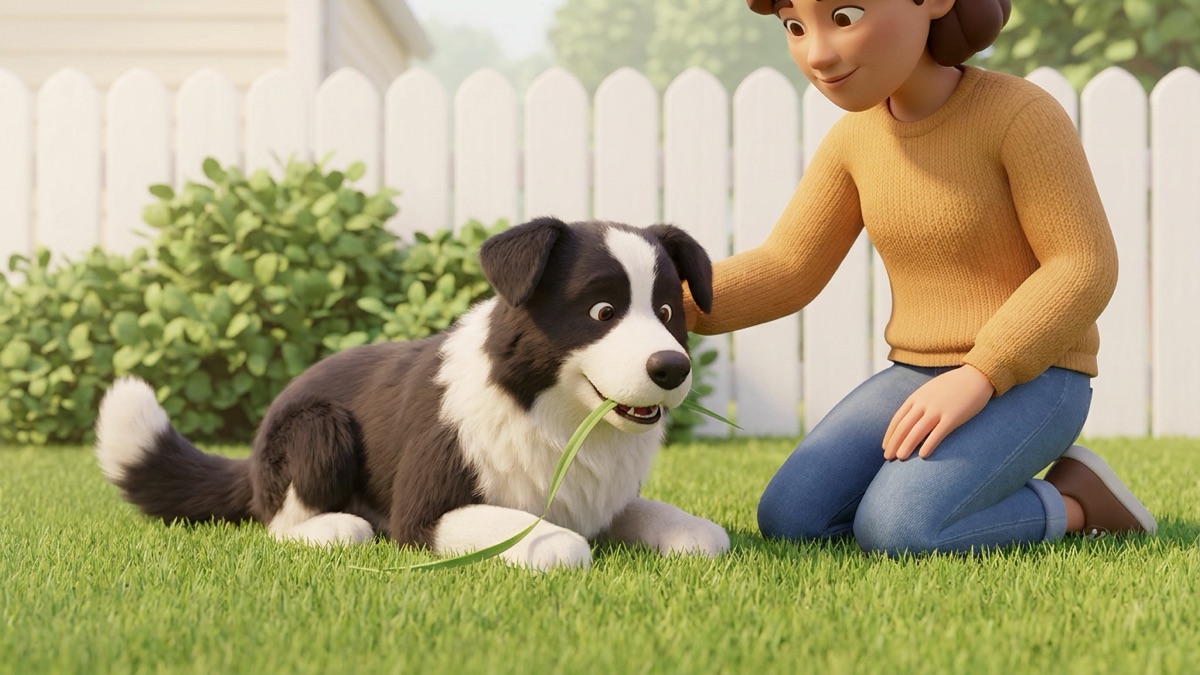
You went to pick up after your dog and the poop is green. Not brown with a bit of grass on top, but green all the way through. Your dog is sniffing the hedge as if nothing is wrong. Most of the time nothing is, and the lawn is the reason.
Quick answer
Green dog poop is most often caused by eating grass or other plants. It can also show up with parasites such as Giardia or with gallbladder trouble, and some rat and mouse baits are dyed bright green. One green poop in a well dog is a watch. Green that repeats, green diarrhea, or any chance of bait needs a vet.
Scout's read
One green poop in a dog who is eating and acting normally is a watch for a day or two. Green that repeats, or comes with diarrhea, vomiting or a poor appetite, is Call your vet today. Bright, unnatural green with any chance of rat or mouse bait is Call a vet now, even if your dog seems fine.
Key takeaways
- Grass is the usual answer. It often passes straight through and tints the poop, or shows up as whole blades.
- Green that keeps coming back, or green with loose poop, deserves a fecal test. Giardia can give poop a greenish tinge and is too small to see.
- Bile is yellow-green, so green or yellow poop with vomiting, a poor appetite or yellow gums points toward the liver and gallbladder.
- Some rat and mouse baits are dyed bright green. Any chance of bait is Call a vet now, before any signs appear.
- Look at the dog as well as the poop. A bright, hungry dog with one green poop is very different from a quiet dog with green diarrhea.
Why is my dog's poop green?
Healthy dog poop is chocolate brown. Green means something has colored it on the way through, and there are only a few usual suspects.
| Likely cause | What it tends to look like | What it usually means for you |
|---|---|---|
| Grass or other plants | Normal shape, green tint, sometimes whole blades | Keep an eye |
| Something green that was eaten or chewed | The color matches what went in, and it passes | Keep an eye |
| Parasites such as Giardia | Soft, smelly poop with a greenish tinge, often with mucus, that comes and goes | Call your vet today, bring a sample |
| Gallbladder or bile trouble | Green or yellow poop with vomiting, a poor appetite or yellow gums | Call your vet today |
| Rat or mouse bait | Bright, unnatural green, in a dog who may have found bait | Call a vet now |
Start with the simple questions. Did your dog graze on the lawn yesterday? Did they get into the vegetable patch, the compost or a houseplant? Sometimes a strange color simply matches something your dog chewed, passing through.
If none of that fits, look at how firm the poop is, whether it has happened before, and how your dog is acting.
Dog poop with grass in it
Lots of healthy dogs eat grass, and most are not sick when they do. Vets get asked about it every day. Studies suggest that fewer than a quarter of dogs vomit after eating grass, and only about one in ten seem unwell beforehand. So the idea that a dog only eats grass to settle a bad stomach does not hold up for most dogs.
Grass often passes straight through, so it can come out looking much the way it went in. You may see whole blades woven through the poop, or just a green tint. If the shape is normal and your dog is their usual self, this is the kindest explanation.
The grass itself is rarely the problem. What is on it can be:
- Lawn chemicals. Herbicides and pesticides sprayed on grass can be toxic to dogs. If your dog grazed on a treated lawn, call your vet or an animal poison control line.
- Parasites. Grass can carry hookworm and roundworm eggs or larvae left behind in other animals' droppings.
- Toxic plants. A dog who eats grass may sample other plants too, and some garden and house plants are poisonous.
Grass eating becomes a reason to call your vet when it is frantic, when it is happening much more than usual, or when it comes with vomiting, diarrhea, weight loss or a poor appetite.
Bile: where green comes from when it is not grass
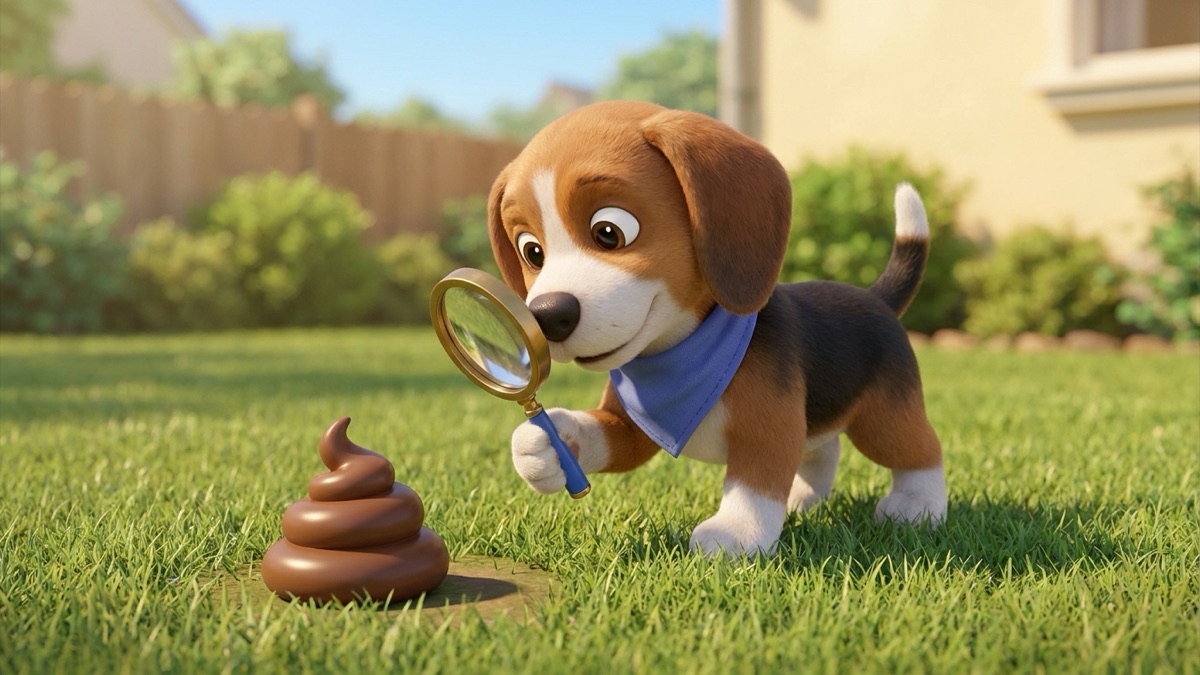
Bile is a digestive fluid made by the liver and stored in the gallbladder. When your dog eats, the gallbladder squeezes bile into the small intestine, where it helps digest fat.
Bile is yellow-green. As it travels through the gut, its pigments are changed into the brown ones that give normal poop its color. That is why vets pay attention when poop stays green or yellow with no grass to explain it: those shades can be a sign that something is off with the liver, the gallbladder or the flow of bile.
A color on its own does not tell you that. The other signs do. Dogs with gallbladder disease tend to vomit, eat less, seem tired, and have a sore belly, and some develop a yellow tinge to the gums and skin. Green or yellow poop with any of those is Call your vet today. The neighboring shades are covered in yellow dog poop and orange dog poop.
Good to know
A photo and a description cannot show everything. Color is a clue, not an answer, and problems with bile or the gallbladder need a vet's exam and tests to confirm or rule out.
Dog green diarrhea
Loose green poop is a different situation from a firm green one, because two things are off at once.
Parasites are high on the list. Giardia is a microscopic parasite that can cause sudden, foul-smelling diarrhea, poop with a greenish tinge, extra mucus and a fatty look. It can come and go. Most infected dogs show no signs at all, puppies are hit hardest, and a routine fecal test can miss it, so tell your vet exactly what you saw. Our guide to giardia in dogs explains the testing.
The other common cause is a plain gut upset after eating a pile of plants, garbage or something else that disagreed. That follows the usual rules in our dog diarrhea guide:
- An adult dog who is bright and eating, with green diarrhea once or twice: Keep an eye for 24 to 48 hours and keep water out.
- Diarrhea that lasts more than 2 days, or comes with a poor appetite or a vomit or two: Call your vet today.
- Any diarrhea in a puppy: Call your vet today. With vomiting, low energy or no interest in food, it is Call a vet now.
Tip
Vets advise assuming that Giardia can pass from dogs to people. Pick up loose poop promptly, and wash your hands well afterwards.
Bright green poop and rat or mouse bait
This is the cause nobody wants and everybody should rule out. Some types of rat and mouse bait are dyed a bright green, and the dye can come through in the poop or in vomit. The green to worry about looks vivid and unnatural, but you cannot rule bait out by shade alone.
Do not try to work out which kind of bait it was by how it looks. Different baits look alike, and they do very different things: some stop blood from clotting, others affect the brain or the kidneys. With the blood-thinning kind, signs can take three to seven days to appear, by which time the dog is already bleeding inside.
Heads up
If there is any chance your pet ate rat or mouse bait or another poison, call your vet or ASPCA Animal Poison Control at (888) 426-4435 (a fee may apply), even if they seem fine. Keep the packaging if you can find it. Do not wait for signs.
Think beyond your own home. Bait is usually put down out of sight, so go back over everywhere your dog has been in the last few days.
Is it green, or is it something darker?
Color is harder to judge than it sounds, especially at dusk or under a porch light. Take the photo in daylight if you can.
If you cannot tell whether a poop is very dark green or black, look at the texture. Black, sticky and tar-like can mean digested blood and is Call a vet now. Our guide to black dog poop shows how to tell the two apart. Pale, gray or greasy poop is a different problem again, and a same-day call.
Try it
Not sure which color you are looking at? The dog poop color chart puts every shade side by side with what it can mean and how fast to act.
For all the shades in one place, see the dog poop colors hub.
What to do today
- Take a photo in daylight before you pick up, from above and from the side.
- Look closely for blades of grass, leaves or bits of anything that is not food.
- Note the consistency. The stool score checker gives it a number from 1 to 7.
- Think back over the last two days: grazing, a treated lawn, the compost, a new food or chew, anything green and chewable.
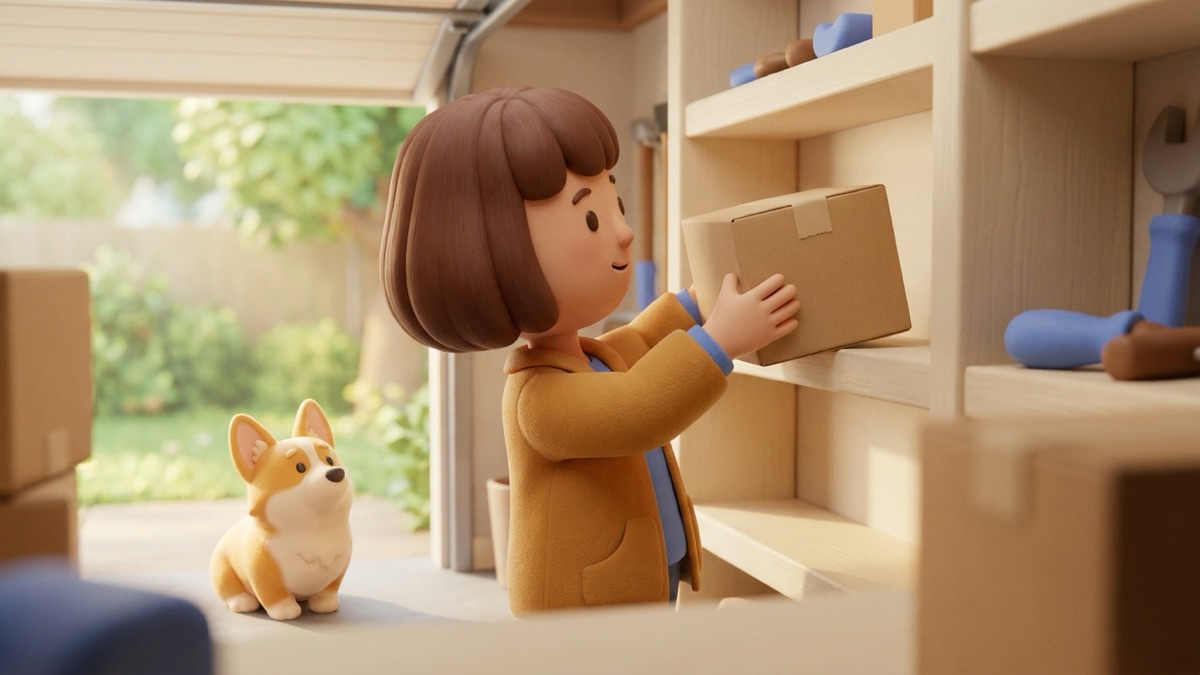
- Check the garage, the shed and anywhere you have visited for rat or mouse bait. If there is any chance, call now.
- Check the gums. Light rosy pink is normal. Pale, white or yellow gums need a vet.
- Bag a fresh sample if the green repeats or the poop is loose: a piece about an inch long in a clean sealed bag or pot, kept in the fridge away from food for up to 24 hours.
- Do not give human medicines unless your vet says so.
When to call the vet
Call a vet now
- Bright, unnatural green poop or vomit with any chance your dog ate rat or mouse bait or another poison.
- Black, sticky, tar-like poop, or a lot of fresh blood.
- A puppy with diarrhea plus vomiting, low energy, or no interest in food.
- A dog who is not fully vaccinated, at any age, with vomiting and diarrhea.
- Pale or white gums, collapse, or severe weakness.
- Repeated vomiting with belly pain.
Call your vet today
- Green poop that repeats over more than a day or two with no grass to explain it.
- Green diarrhea lasting more than 2 days, or with a poor appetite or a vomit or two.
- Any green diarrhea in a puppy, even a bright and playful one.
- Green or yellow poop with a yellow tinge to the gums or skin.
- Green poop after grazing on a lawn treated with weedkiller or bug spray.
- Several stool changes in 24 hours, or poop problems that keep coming back.
If you are stuck between the two lists, the should I call the vet checker asks a few questions and gives you one of the four verdicts.
Green poop looks dramatic, and most of the time it is yesterday's lawn on its way out. The PoopScout app reads a photo for score, color and findings such as grass, and gives you one of the same four verdicts you have read here. Rule out bait first, watch the next few poops, and let your vet test for the causes that nobody can see.
PoopScout is made by Viral Labs and is not affiliated with any other app, service, clinic or brand named here.
PoopScout guides are general information for pet owners, written from veterinary sources named above. They are not veterinary advice, they do not diagnose, and they can be wrong for your pet. If your dog or cat seems unwell, or you are worried, call your vet. In an emergency, contact your vet or the nearest emergency animal hospital right away.
Questions owners ask
Why is my dog's poop green?
The most common reason is eating grass or other plants. Green poop can also show up with parasites such as Giardia, with gallbladder or bile trouble, or after eating something green. Some rat and mouse baits are dyed bright green, so any chance of bait means call a vet now.
Is green dog poop an emergency?
Usually not. One green poop in a dog who is eating and acting normally is a keep an eye on it situation. It is an emergency if the green is bright and unnatural and your dog could have reached rat or mouse bait, or if it comes with repeated vomiting, weakness or pale gums.
Can eating grass turn dog poop green?
Yes. Grass often passes straight through, so you may see a green tint or whole blades in the poop. Lots of healthy dogs eat grass and most are not sick when they do. The bigger worries are lawn chemicals and toxic plants.
What does green diarrhea in a dog mean?
Loose green poop makes vets think of parasites such as Giardia, which can cause soft, smelly diarrhea with a greenish tinge, and of an upset gut after eating plants or something it should not have. Call your vet if it lasts more than 2 days, sooner for a puppy, and now if there is any chance of poison.
Sources
- American Kennel Club: How to Tell If Your Dog's Poop Is Healthy: www.akc.org/expert-advice/health/dogs-poop-says-health/
- Vets Now: Dog Poop Colour and Consistency: www.vets-now.com/pet-care-advice/dogs/dog-poop-colour-consistency
- VCA Animal Hospitals: Why Dogs Eat Grass: vcahospitals.com/know-your-pet/why-do-dogs-eat-grass
- American Kennel Club: Why Does My Dog Eat Grass? (quotes Jerry Klein, DVM): www.akc.org/expert-advice/advice/why-does-my-dog-eat-grass/
- VCA Animal Hospitals: Giardia in Dogs: vcahospitals.com/know-your-pet/giardia-in-dogs
- Companion Animal Parasite Council: Giardia: capcvet.org/guidelines/giardia/
- VCA Animal Hospitals: Gallbladder Mucocele in Dogs: vcahospitals.com/know-your-pet/gallbladder-mucocele-in-dogs
- Merck Veterinary Manual (Professional): Bilirubin Synthesis and Metabolism in Animals: www.merckvetmanual.com/digestive-system/liver-structure-and-function/bilirubin-s
- PetMD (Jennifer Coates, DVM): 6 Things Commonly Found in Your Dog's Poop: www.petmd.com/dog/slideshows/6-things-commonly-found-your-dogs-poop
- ASPCA: Rodenticide and Your Pet, What You Need to Know: www.aspca.org/news/rodenticide-and-your-pet-what-you-need-know
- ASPCA Animal Poison Control Center: www.aspca.org/pet-care/animal-poison-control
- VCA Animal Hospitals: Anticoagulant Rodenticide Poisoning in Dogs: vcahospitals.com/know-your-pet/rodenticide-warfarin-poisoning-in-dogs
- VCA Animal Hospitals: Diarrhea in Dogs: vcahospitals.com/know-your-pet/diarrhea-in-dogs
- VCA Animal Hospitals: Importance of Fecal Tests in Dogs and Cats: vcahospitals.com/resources/preventive/fecal-tests-for-dogs-and-cats
Read next
Dog poop colors
Why Is My Dog's Poop Black?
Dog poop colors
Yellow Dog Poop: What It Means and What to Do
Dog poop colors
Orange Dog Poop: Causes and What to Do
Dog diarrhea
What to Feed a Dog With Diarrhea (Bland Diet)
Worms & parasites
White Specks in Dog Poop: Rice, Seeds or Worms?
Mucus, texture & shape
Mucus in Dog Poop: Causes and When to Worry